
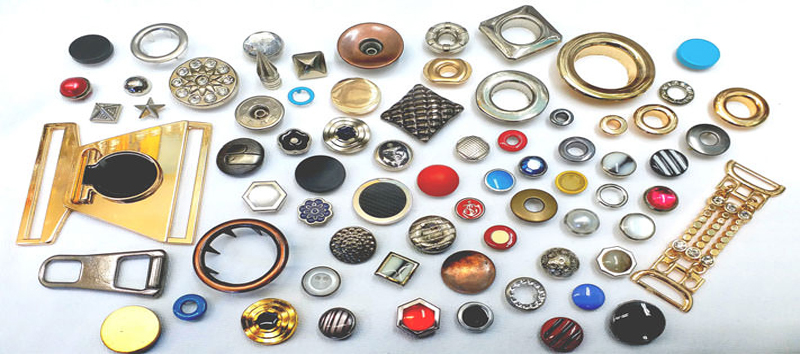
GENERAL ACCESSORY TYPES
At Textrendy, we bring together all label and accessory solutions that textile brands may need in our comprehensive showroom, where you can closely examine our products and experience the quality of our materials firsthand.
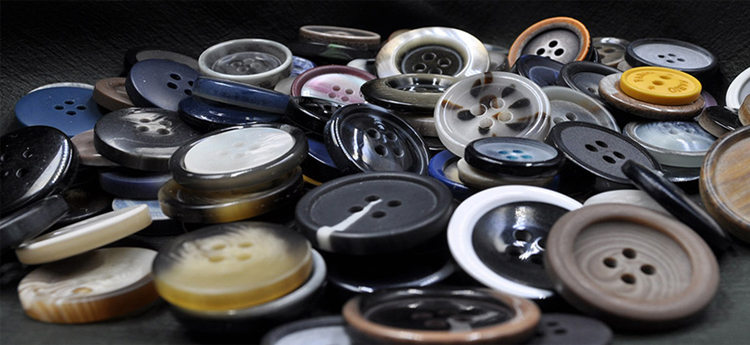
BUTTONS
Polyester Buttons are widely used in apparel, accessories, and home textile products, produced from durable polyester material. Zamak Buttons and Metal Buttons are preferred in the fashion industry for their stylish appearance and durability. Natural Wooden Buttons are crafted from various types of wood, offering an organic and unique aesthetic.
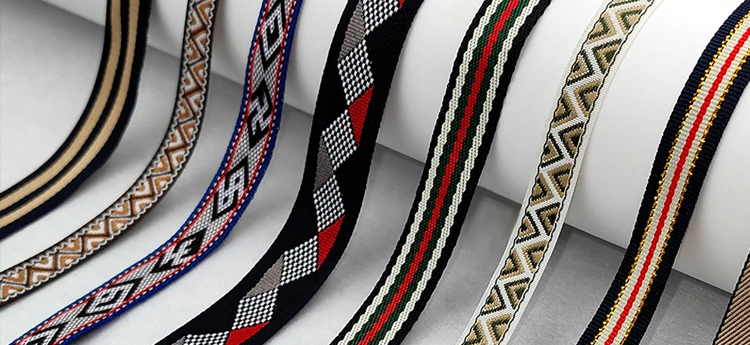
NARROW WOVEN TAPE
Narrow woven tape is produced through a weaving technique that forms strip-like materials with a sturdy and structured composition.
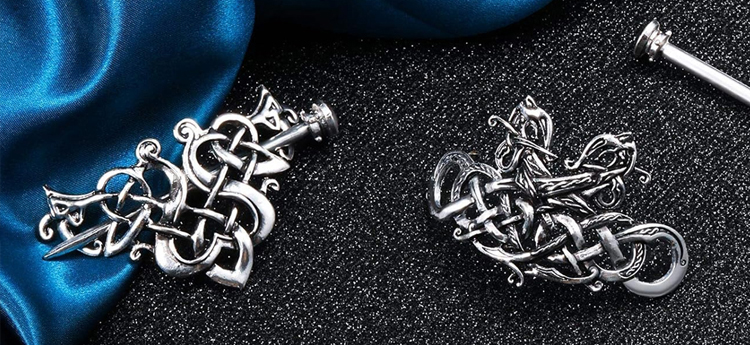
METAL ACCESSORIES
Metal accessories play a crucial role in the fashion industry, ensuring that garments are aesthetically pleasing, functional, and durable.
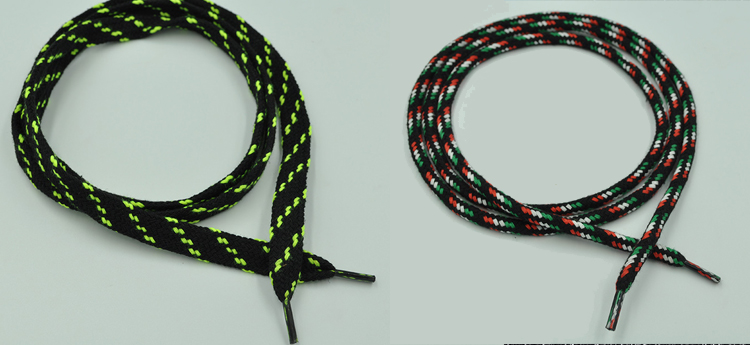
CORD THREAD
Cord Thread, commonly used in apparel and accessories, are made by weaving or twisting thin, strong, and flexible threads. They are designed for a wide range of garment and accessory applications.
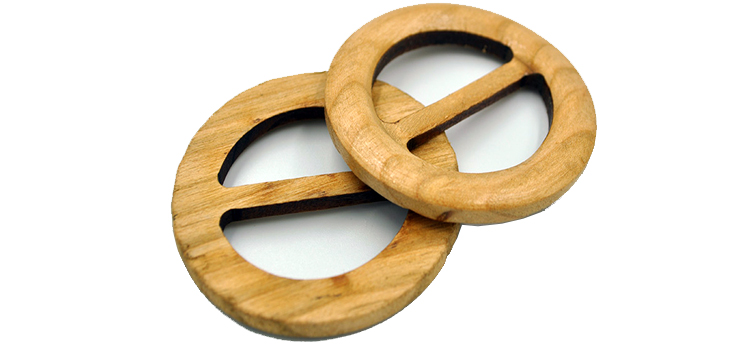
BELT BUCKLES
Belt buckles come in many variations to meet different stylistic and functional needs. They not only enhance the appearance of belts but also contribute to their durability.
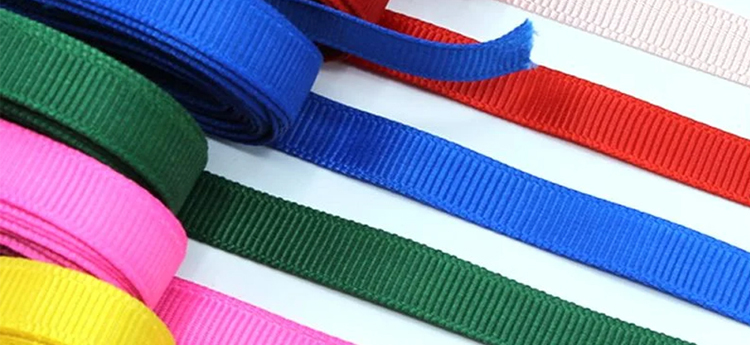
GROSGRAIN RIBBONS
Grosgrain is a tightly woven, textured fabric made from fibers such as cotton, silk, polyester, or nylon. Its defining feature is the prominent ribbed pattern on its surface.
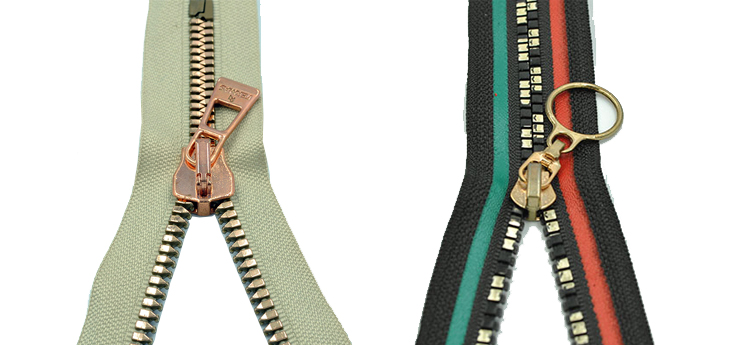
ZIPPERS
A zipper is a fastening system that joins and separates two pieces of fabric. One side consists of metal or plastic teeth, while the slider mechanism allows the zipper to open and close easily.
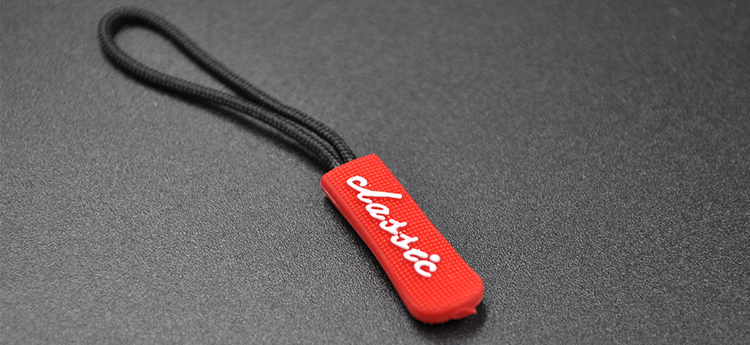
ZIPPER PULLERS
Zipper pullers are small components that enable the opening and closing of the zipper. Attached to the zipper slider, they can be produced from metal, plastic, leather, fabric, silicone, and other materials.
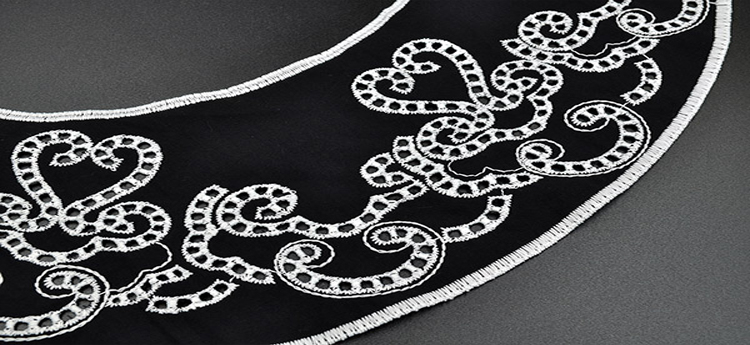
LACES
Lace is a textile produced by weaving or knitting fine threads using techniques such as needlework, bobbin lace, crochet, or machine methods. Traditionally, lace is made from silk, cotton, wool, or synthetic yarns.
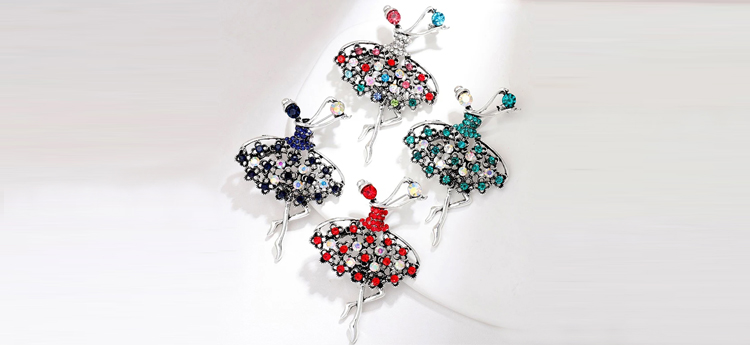
BROOCHES & BADGES
A brooch is a decorative accessory featuring a pin and clasp mechanism that allows it to be attached to garments or other accessories.
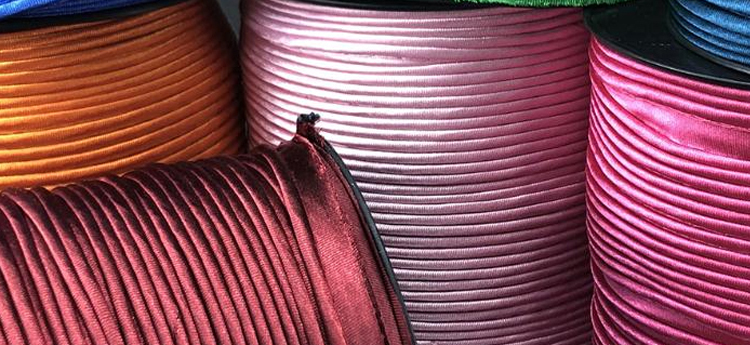
PIPING
Piping is a frequently used yet often overlooked detail in textile and apparel production. Piping accessories, which serve both aesthetic and functional purposes in clothing, organize the edges of a product, add shape, and add an elegant touch to the design.